
REA’s Outlines Top Tips for Food Recycling
Author: Jenny Grant, Head of Organics and Natural Capital
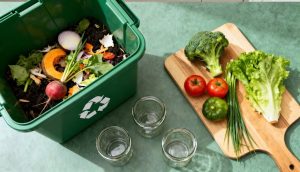
For households, using your food collection is an easy method to care for the environment. What looks like everyday rubbish such as fruit and vegetable peelings, leftover meals (even meat), tea bags, eggshells, or slices of mouldy bread, can all be given a second life. When food waste is mixed in with general rubbish, it is typically incinerated or buried in landfill, where it decomposes without enough oxygen, releasing methane – a potent greenhouse gas that contributes to the climate crisis. But there is another path. When placed in a dedicated food waste collection, the very same scraps can be transformed into renewable energy and nutrient-rich fertiliser – turning what we throw away into something genuinely valuable.
What Happens to Food Waste After It’s Collected?
Once collected, food waste is taken to a specialist treatment facility, often an anaerobic digestion plant. Here, naturally occurring microbes break down the food in sealed tanks without oxygen.
This process produces:
• Biogas, which can be used as a replacement for natural gas or used to generate electricity, heat, or even fuel (biomethane).
• Digestate, a nutrient-rich material that can be used as fertiliser on farmland as a replacement for mineral fertilisers.
This helps us in securing a homegrown supply of energy and fertilisers – a critical mission given the current geopolitical climate. In some cases, food waste can be converted into compost in order to improve soil health. Instead of going to waste, your leftovers can help produce renewable energy and support food production.
Top tips to make it work:
1. Keep your caddy somewhere handy: place it on the kitchen counter, under the sink or where you prepare food.
2. Use it regularly: emptying small amounts regularly is easier, keeps it clean and reduces odours.
3. Line your caddy if allowed: use compostable liners or old newspaper – this keeps it clean and makes emptying easier. Do check with your council which liners are accepted in your area.
4. Don’t forget the small stuff: tea bags, coffee grounds, eggshells, peelings, crusts and plate scrapings, all count.
5. Keep the lid closed: this reduces odours and deters flies, especially in warmer weather.
6. Rinse your caddy every now and then: A quick rinse, wipe, or pop in the dishwasher every so often can freshen it up. A sprinkle of bicarbonate of soda can help absorb smells.
7. Freeze smelly items until collection day: If you’re worried about smells, keep things like meat, fish or food scraps in a sealed container in the freezer and add them to your outside caddy closer to collection day.
8. Check what goes in: Different councils accept slightly different things, so it’s always worth checking your local guidance. If in doubt, look it up before you throw it in.
Small Habit, Big Difference:
Using your food waste caddy is a small change that can make a big impact. It helps reduce the amount of waste in black bins, cuts harmful emissions, and makes better use of resources we’d otherwise lose.
In short, next time you’re about to throw food away, putting it in the right bin can make a real difference.
For press enquiries:
Aisha Afeef, Communications Executive: [email protected]